Summer 25% discount on all last year's products home decor


How Proper Home Lighting During Winter Improves Mood, Well-Being, and Quality of Life

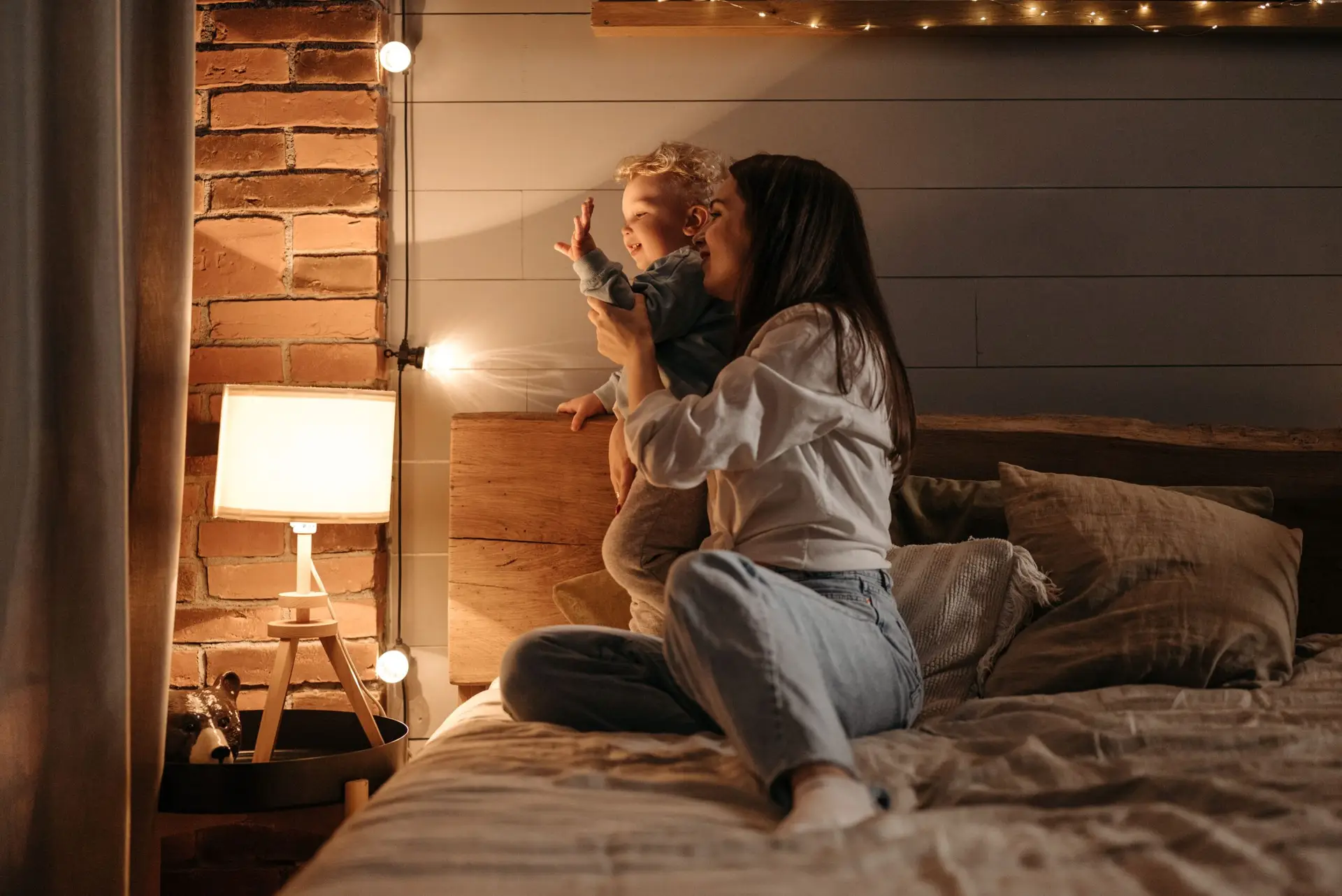
As winter arrives, shorter days and reduced sunlight can significantly affect our mood, energy levels, sleep quality, and overall well-being. Many people experience what is commonly known as the "winter blues," while others may develop Seasonal Affective Disorder (SAD), a form of depression associated with reduced daylight exposure.
Scientific research suggests that light plays a crucial role in regulating the body's circadian rhythm—the internal biological clock that controls sleep, alertness, and mood. When natural light decreases during winter, the brain may produce higher levels of melatonin (the sleep hormone) and lower levels of serotonin, a neurotransmitter associated with positive mood and emotional balance. As a result, individuals may feel tired, less motivated, and emotionally drained.
For homeowners, creating a well-lit indoor environment is one of the most effective ways to maintain comfort, productivity, and emotional well-being throughout the darker months of the year.
How Lighting Affects Mood and Mental Health
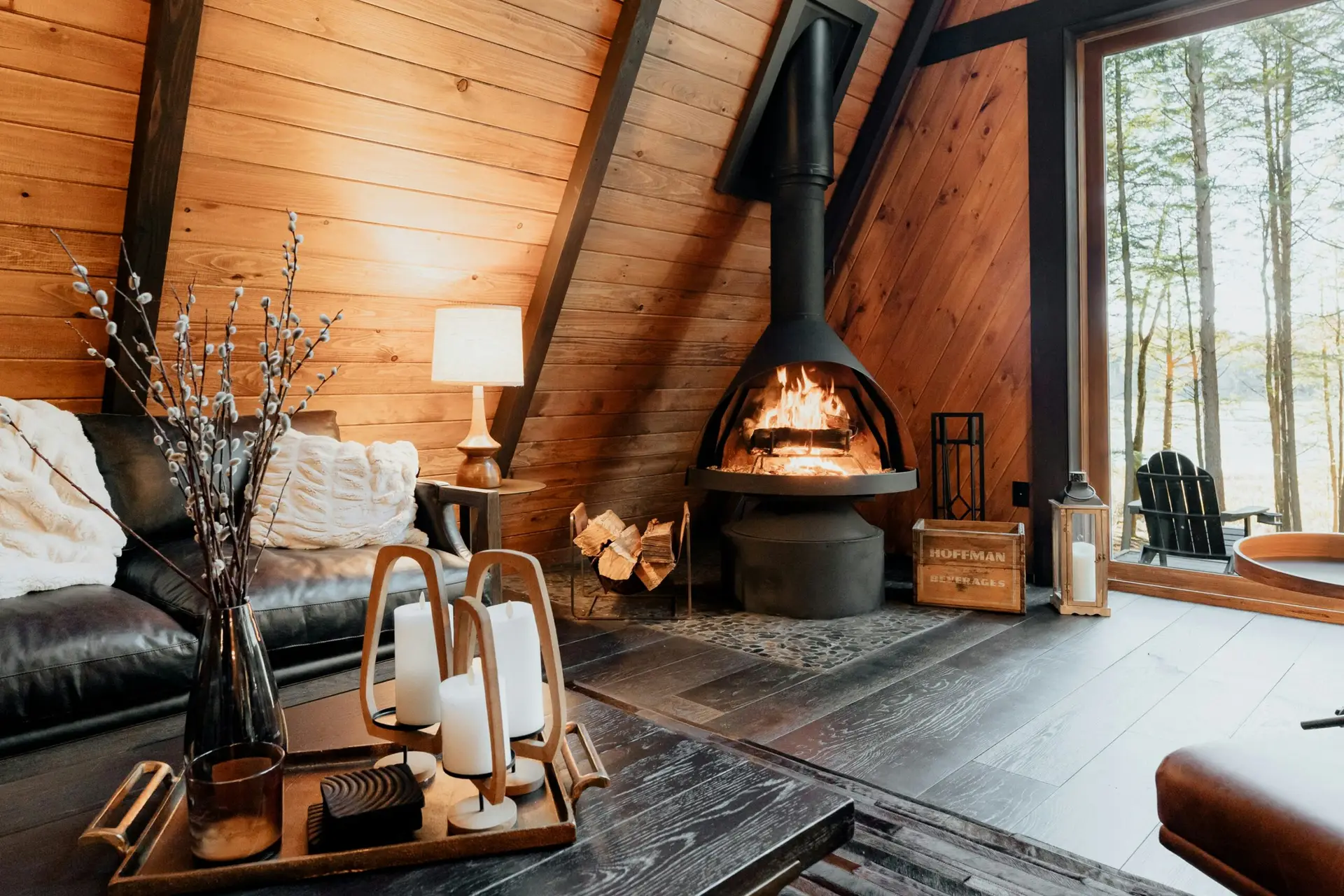
How Lighting Affects Mood and Mental Health
Light is much more than a practical necessity—it directly influences brain function and psychological health.
Exposure to adequate light helps:
- Regulate circadian rhythms
- Support healthy sleep patterns
- Improve concentration and cognitive performance
- Enhance emotional stability
- Increase feelings of comfort and relaxation
Researchers from Harvard Health Publishing have highlighted that insufficient light exposure during winter can disrupt the body's natural clock and contribute to lower mood, fatigue, and decreased motivation. Studies also indicate that bright light exposure can help support serotonin-related pathways that influence emotional well-being.
Benefits of Proper Winter Lighting at Home
1. Reduces Seasonal Mood Changes
A brighter indoor environment can help compensate for the lack of natural sunlight during winter. Proper lighting may reduce feelings of sadness, lethargy, and isolation commonly experienced during darker months.
2. Creates a Warm and Inviting Atmosphere
Warm white lighting creates a cozy ambiance that encourages relaxation and social interaction. Living rooms, dining areas, and bedrooms feel more welcoming when illuminated with soft, balanced lighting.
3. Improves Productivity and Focus
Many people spend more time indoors during winter, often working or studying from home. Proper task lighting reduces eye strain and improves concentration, making daily activities more comfortable and efficient.
4. Supports Better Sleep Quality
While bright lighting is beneficial during daytime hours, softer lighting in the evening helps prepare the body for sleep. A balanced lighting strategy can support healthier sleep cycles and improve overall well-being.
5. Enhances Overall Home Comfort
Well-designed lighting transforms a home into a pleasant and uplifting environment. Eliminating dark corners and creating layers of illumination can make indoor spaces feel larger, brighter, and more enjoyable.
Best Lighting Practices for Winter
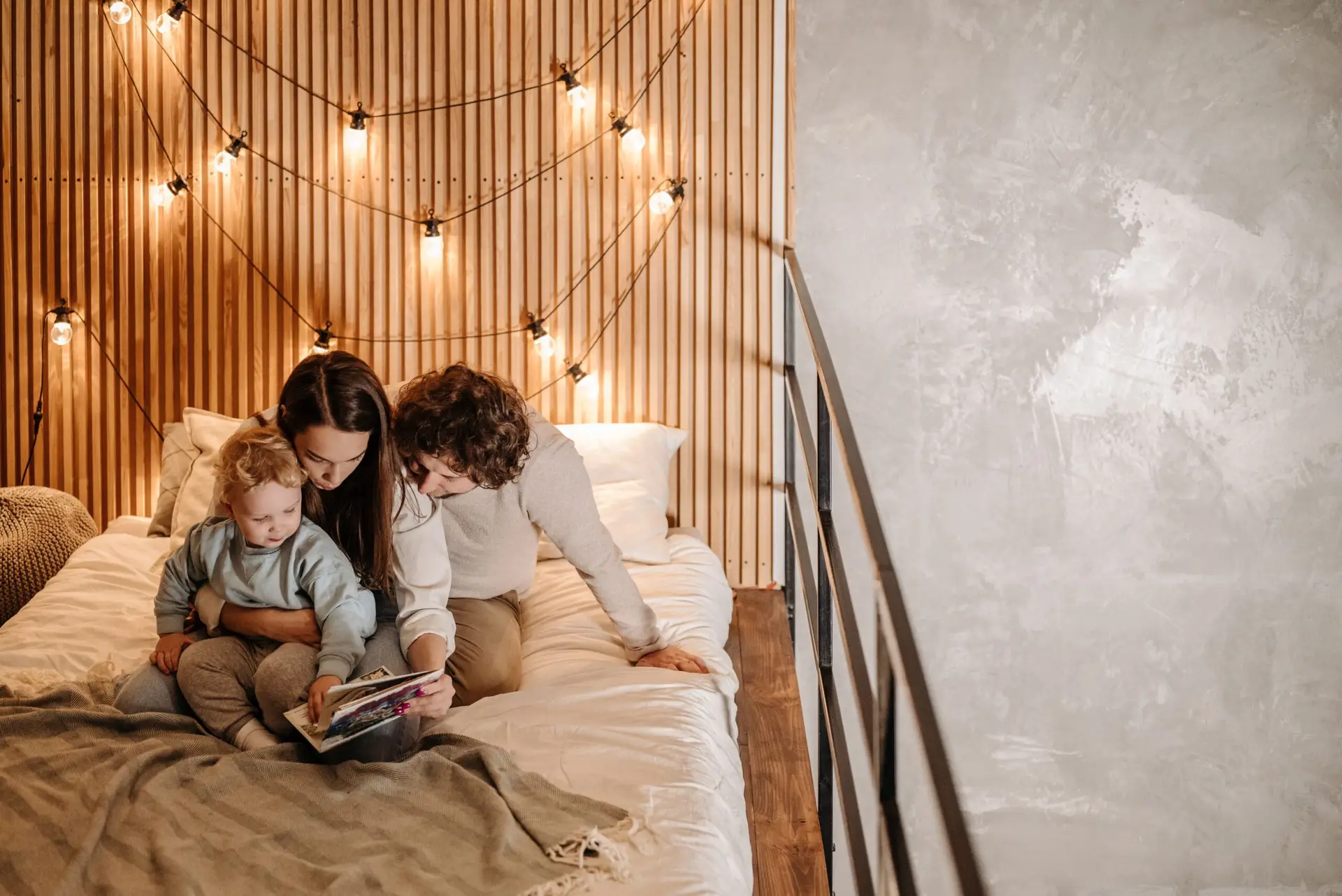
To maximize the benefits of winter lighting, consider the following strategies:
Maximize Natural Daylight
- Keep windows clean.
- Use light-colored curtains or blinds.
- Arrange furniture to allow sunlight to reach key living areas.
Use Layered Lighting
Combine three types of lighting:
- Ambient lighting for overall illumination
- Task lighting for reading, cooking, and working
- Accent lighting for decorative warmth and visual interest
Choose Warm White LEDs
Warm white LED bulbs (2700K–3000K) create a comfortable and inviting atmosphere while remaining energy efficient.
Install Dimmers
Dimmer switches allow homeowners to adjust brightness levels throughout the day, supporting both productivity and relaxation.
Consider Daylight-Mimicking Lights
In rooms with limited access to natural sunlight, full-spectrum or daylight-simulating lighting can help create a brighter and more energizing environment.
The Psychological Value of a Bright Home
A well-lit home contributes to more than aesthetics. Research increasingly shows that lighting conditions can influence emotional health, sleep regulation, cognitive performance, and daily comfort. During winter, when natural daylight is limited, thoughtful indoor lighting becomes an important component of a healthy living environment.
By investing in proper lighting design, homeowners can create spaces that promote happiness, relaxation, productivity, and overall quality of life throughout the colder months.
Conclusion
Winter does not have to mean lower energy and reduced motivation. Strategic home lighting can help offset the effects of shorter days and darker evenings by supporting healthy circadian rhythms, enhancing mood, and creating a warm and welcoming atmosphere.
Whether through maximizing daylight, incorporating layered lighting, or using high-quality LED solutions, proper winter lighting is a simple yet powerful investment in both the comfort of a home and the well-being of its residents.
References
- Harvard Health Publishing. "Shining a Light on Winter Depression." Harvard Medical School, 2024.
- Harvard Health Publishing. "Seasonal Affective Disorder (SAD)." Harvard Medical School.
- Harvard Health Publishing. "Serotonin: The Natural Mood Booster."
- Harvard Health Publishing. "A Cure for the Wintertime Blues?" Harvard Medical School, 2023.
- Research on circadian rhythms and light exposure has consistently demonstrated the relationship between environmental lighting, sleep regulation, and emotional well-being.
Keywords
Winter Home Lighting, Home Lighting Ideas for Winter, Seasonal Affective Disorder, Winter Mood Improvement, Indoor Lighting Benefits, Circadian Rhythm Lighting, Cozy Home Lighting, Winter Interior Design, Mental Health and Lighting, Warm LED Lighting, Home Wellness Tips, Lighting for Better Mood

FOLLAFOSSVEGEN 1084
7796 FOLLAFOSS, NORWAY
